- Suite 1003, Level 10, 377-383 Sussex Street, Sydney NSW 2000, Australia

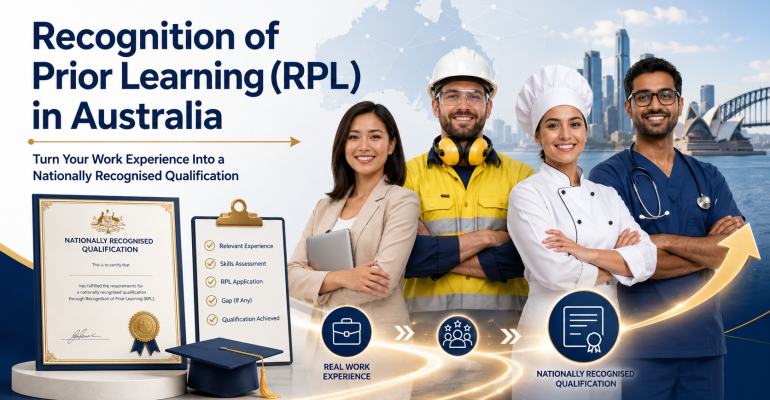
You’ve already spent years building skills, solving problems, managing responsibilities, and doing real work. But for many people in Australia, one thing still stands in the way of better opportunities: “No formal qualification.” That’s where Recognition of Prior Learning, RPL, can help. Whether you have overseas work experience, years in the industry, self-employment history, or practical skills gained on the job, RPL may allow your experience to be formally recognised toward a nationally recognised qualification in Australia. For many experienced workers, this may mean avoiding the need to study everything from scratch. At The Iconic Education and Migration, TIEM, we regularly speak with skilled workers, migrants, students, business owners and professionals who want to understand whether their real-world experience can be recognised in Australia. Quick Answer Recognition of Prior Learning, RPL, may help turn your existing work experience into a nationally recognised qualification in Australia. However, RPL is not automatic. Your skills, experience and evidence must be assessed against the competency requirements of the relevant Australian qualification. If your evidence is strong and your experience matches the qualification requirements, RPL may help recognise what you already know and do. What Is Recognition of Prior Learning, RPL? Recognition of Prior Learning, commonly known as RPL, is a formal assessment process used by Australian Registered Training Organisations, RTOs. It assesses your: Work experience Existing skills Industry knowledge Previous training Informal learning Overseas experience These are assessed against the requirements of a nationally recognised qualification. In simple terms, if you already know the job and can prove your competency, your experience may already count toward a qualification. In Australia, nationally recognised training and qualifications can be checked through training.gov.au, the national register for training packages, qualifications, courses and Registered Training Organisations. Who Is RPL For? RPL is suitable for people who have real-world industry experience but may not have an Australian qualification. This may include: Migrants and overseas workers Experienced professionals Tradespeople Freelancers and business owners Managers and supervisors Hospitality workers IT professionals Support workers Childcare educators Construction workers Sales and marketing professionals Automotive workers Healthcare support staff Warehouse and logistics workers Can Overseas Work Experience Count for RPL? Yes. One of the biggest misconceptions is that only Australian work experience matters. In reality, overseas work experience is commonly used in RPL assessments, provided you can supply suitable supporting evidence. This is especially helpful for migrants who already have years of overseas experience and understand the industry well, but need recognised qualifications in Australia. We have covered this topic in more detail in our guide: Can Overseas Work Experience Count for RPL in Australia? How Does the RPL Process Work? Many people assume RPL means simply submitting documents and receiving a qualification instantly. A genuine RPL process is much more structured than that. Step 1 — Eligibility Assessment The process usually starts with a review of your: Resume or CV Current role Years of experience Industry background Previous training This helps determine whether RPL may be suitable and which qualification may best match your experience. Step 2 — Qualification Matching Choosing the right qualification matters. For example: A team leader may align with Leadership and Management A digital marketer may align with Marketing and Communication An experienced chef may suit Hospitality or Commercial Cookery qualifications A support worker may align with Community Services or Individual Support The qualification must match your actual competencies, duties and responsibilities. Step 3 — Evidence Collection This is one of the most important stages of the RPL process. You gather evidence that proves your industry experience and competency. What Documents Are Required for RPL? Evidence requirements vary depending on the qualification and provider, but common documents may include the following. Employment Evidence Employment letters Payslips Contracts Reference letters Job descriptions Appointment letters Work Samples Reports Projects Presentations Systems used Portfolios Screenshots Videos or photos of work Qualifications and Training Certificates Overseas qualifications Licences Short courses Industry training Business Owner Evidence ABN registration, if applicable Business registration documents Invoices Client testimonials Websites Social media business pages Service portfolios RPL Evidence Checklist Evidence Type Examples Purpose Employment Evidence Reference letters, payslips, contracts, job descriptions Shows your work history, duties and industry experience Work Samples Reports, portfolios, project files, photos, screenshots Helps demonstrate practical competency Training Evidence Certificates, licences, overseas qualifications, short courses Supports previous learning and technical knowledge Business Evidence Invoices, business registration, websites, client testimonials Useful for self-employed applicants and business owners Assessment Evidence Interview notes, competency conversations, practical tasks Helps verify skills and workplace understanding What Happens After Evidence Submission? After your evidence is submitted, a formal assessment begins. An assessor reviews your documents, experience and work samples against the specific competency units within the qualification. This process is often called competency mapping. The assessor checks whether your real-world experience meets the industry standards required for the qualification. Is There an Interview for RPL? Sometimes, yes. Many RPL assessments may include: Phone interviews Competency conversations Zoom assessments Workplace scenario discussions Practical demonstrations This helps verify authenticity, practical knowledge, communication skills and real-world understanding. What If You Don’t Meet Every Requirement? This is very common. If there are gaps in your evidence or competency, you may be asked to complete: Additional evidence submission Short assessments Gap training Practical tasks Workplace observation This does not automatically mean failure. It simply means the assessor needs enough evidence to confirm competency properly. What Qualifications Can Be Obtained Through RPL? RPL is available across many industries in Australia. Business and Management Common qualification areas include: Leadership and Management Project Management Business Administration Human Resources Marketing and Communication This may suit managers, team leaders, operations staff, business owners and marketing professionals. Information Technology, IT RPL may suit experienced: IT support staff Developers Network administrators Cybersecurity professionals Digital marketers Web designers If you are exploring IT-related study options, you can also search suitable courses through TIEM Find A Course. Community Services and Healthcare Popular areas may include: Aged care Disability support Community services Individual support This may suit support workers with practical industry experience.

PTE vs IELTS for Australia in 2026? Compare test formats, scoring, and speeds to find the best English test for your visa and PR.
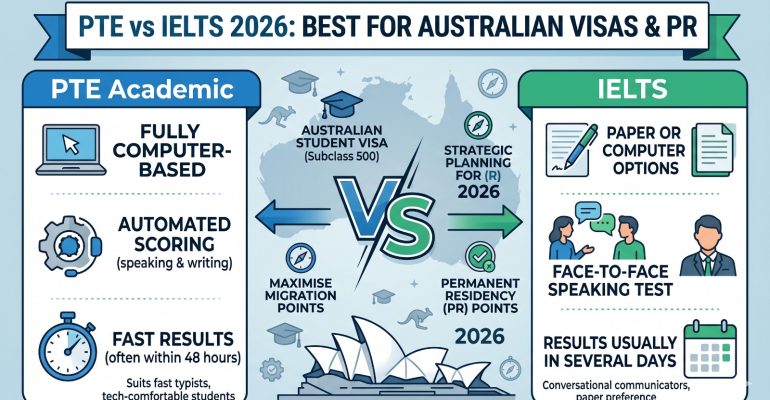
PTE vs IELTS for Australia in 2026? Compare test formats, scoring, and speeds to find the best English test for your visa and PR.
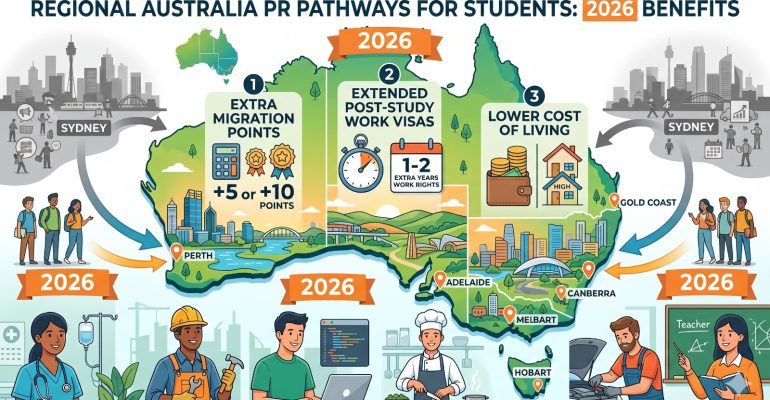
Discover why international students choose regional Australia for PR in 2026. Explore the benefits of extra points, extended visas, and lower living costs.

Australian student visa at risk? Learn how the 2026 bans affect you and how The Iconic keeps your journey on track.

Australia can now pause visas even after approval, meaning entry isn’t guaranteed making timing and planning more critical for your PR journey.

A comprehensive 2026 guide for IT students on making smart study choices and developing a PR-focused migration strategy within Australia.
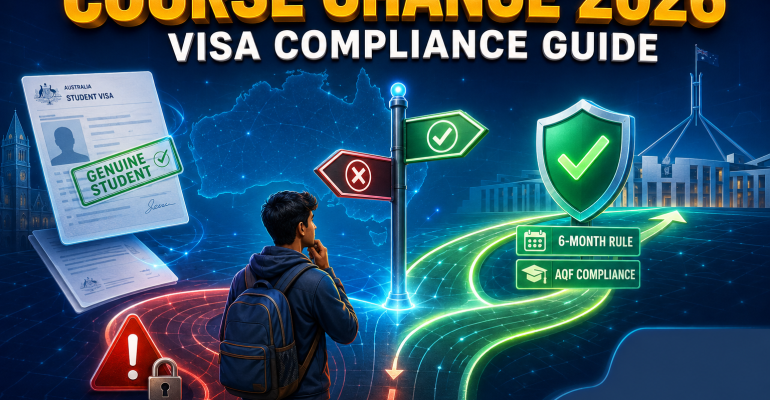
A 2026 guide for international students on legally changing courses in Australia while staying visa-compliant and protecting future PR options.
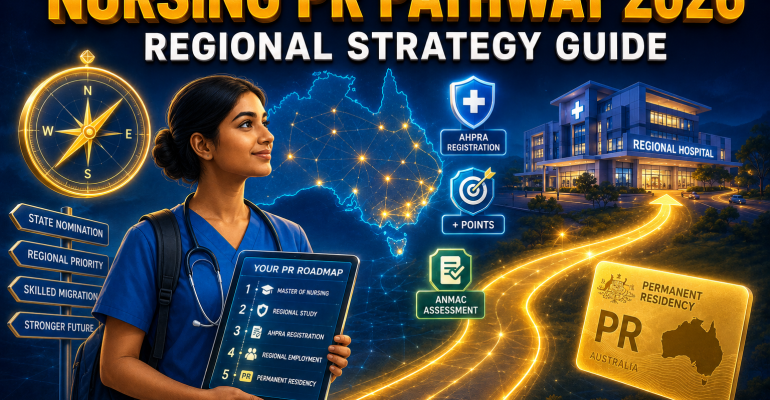
The 2026 Guide for International Nurses: Use a Regional Master of Nursing to Boost PR, AHPRA Registration & State Nomination.


